South Korea is experiencing rapid population aging, leading to a growing demand for professionals in healthcare and senior care services. As a result, Senior Care is becoming an increasingly attractive field of study for Vietnamese students exploring study opportunities in South Korea.
Beyond its social significance, this field offers potential career opportunities in nursing homes, senior care centers, healthcare facilities, hospitals, and social welfare institutions.
For students who enjoy helping others and want to build a career supporting older adults, Senior Care can be a meaningful pathway to consider when planning to study in South Korea.
Students develop the knowledge and practical skills needed to assist older adults with daily activities, promote their well-being, and support basic health monitoring under the supervision of qualified professionals.
Depending on the institution and curriculum, training may cover the following areas:
With an emphasis on practical learning, these programs can help students become familiar with real-world care environments and develop skills relevant to their future careers.
Working in senior care involves more than helping older adults with everyday activities. Care workers also provide companionship, emotional support, and assistance that contributes to residents’ comfort and quality of life.
A typical working day may include:
This profession requires patience, compassion, a strong sense of responsibility, attention to detail, and effective communication skills.
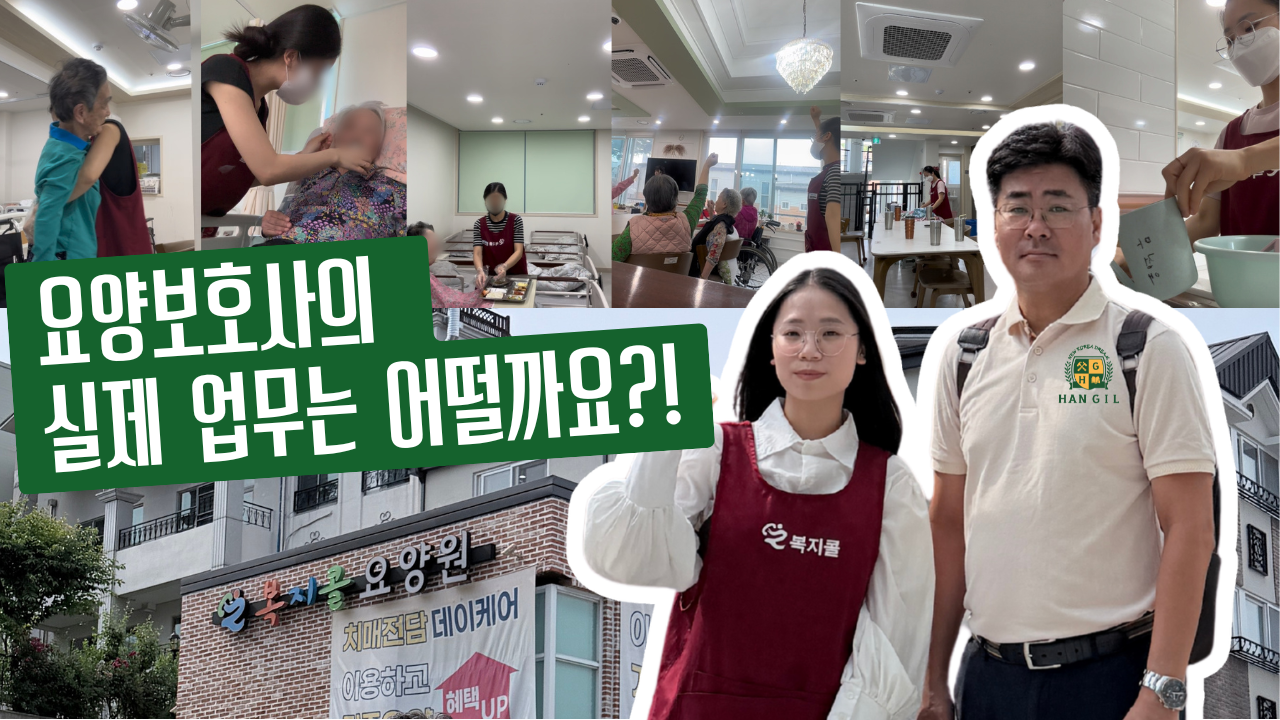
After completing their studies and meeting the relevant qualification, certification, and employment requirements in South Korea, graduates may be able to pursue opportunities in settings such as:
As South Korea’s population continues to age, senior care remains an important area within the country’s healthcare and social welfare sectors.
Career opportunities and eligibility to work in South Korea depend on the program completed, relevant qualifications, Korean-language proficiency, employer requirements, and applicable visa and employment regulations.
A Senior Care program may be suitable for students who:
Senior Care is not only a potential career pathway but also an opportunity to make a meaningful social contribution by supporting older adults and helping improve their quality of life.
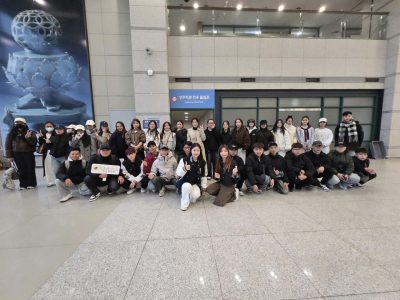
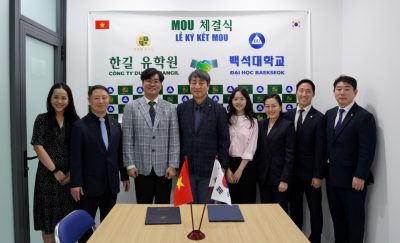
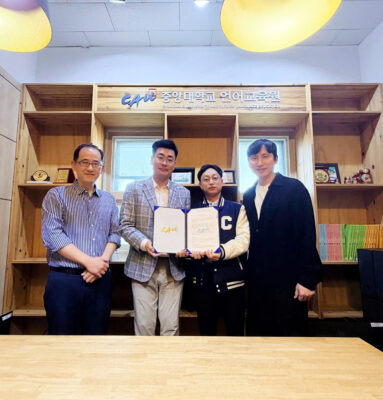
During its business visits to South Korea, Hangil regularly meets with universities, care facilities, and Vietnamese students to gain insights into educational programs and real-world working environments.
Hangil also produces firsthand videos and informational content to help students and parents better understand the senior care sector, including:
These resources offer students and parents a more practical perspective on the field, helping them make informed decisions when choosing a study program and planning their future careers.
Watch Hangil’s Senior Care Video in South Korea
If you are considering studying Senior Care in South Korea, follow Hangil on Facebook and YouTube to stay updated on:
Hangil is committed to supporting Vietnamese students throughout their journey toward achieving their educational goals and exploring career opportunities in South Korea.